
Architecture.Hybrid.Logic
The Line Between Digital Logic & Physical Reality
Wide Harbor Line bridges the gap between high-level game engineering and the practical constraints of real-world environment management in Rome.
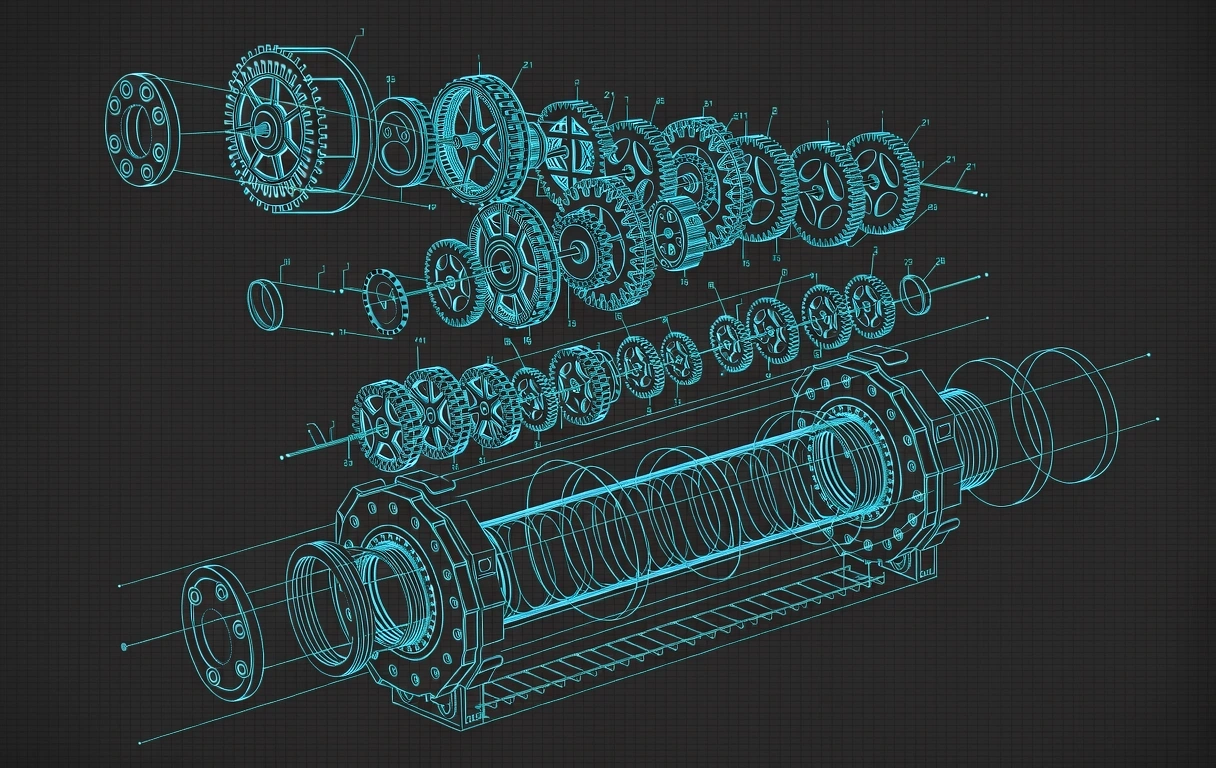
Signature ACT // 01
Differentiating the Paths of
Immersive Expertise.
Digital-to-Physical Translation
Translate virtual mechanics into tangible hardware. We help game developers adapt guide-pathing, state logic, and narrative triggers from engines like Unity and Unreal into physical PLC-driven environments.
- Hardware sensor integration for game engine logic playback.
- Safety regulation compliance for "invisible walls" in rooms.
Operational Automation Hub
Reduce manual room resets and human-error bottlenecks. We provide the expertise to model your room operations on digital trigger systems, ensuring every player experiences the same narrative precision.
- Automated reset logic to increase daily room turnover.
- Dynamic pacing algorithms to prevent room bottlenecking.
The Bridge Workflow.
Methodology: The Haptic Threshold
Technical Audit
We start with a deep dive into the digital logic or physical space layout before committing resources.
Architectural Identification
Reviewing the friction points where digital narrative beats fail in physical spaces—such as unpredictable player movement and sensory sync.
Logic Translation
Mapping software triggers to hardware relays (Arduino, Raspberry Pi, PLC). Transitioning from 'clicking' to tactile object manipulation.
Deployment & Stress-Testing
Adapting digital QA processes to stress-test physical hardware durability against human player variance.
Grounded in Real Constraints.
We don't deal in vaporware. Our platform focuses on solving the tactile friction between player psychology and hardware durability. From optimizing infrared sensor arrays in Rome's top escape rooms to designing fail-safe reset protocols for complex mechanical elevators.
Standard 01
HMI Protocols
Human-Machine Interface standards ensure interactions are zero-lag and intuitive without digital UI.
Standard 02
Environmental Narrative
High-density detail inspection methodologies adapted from open-world digital game design.
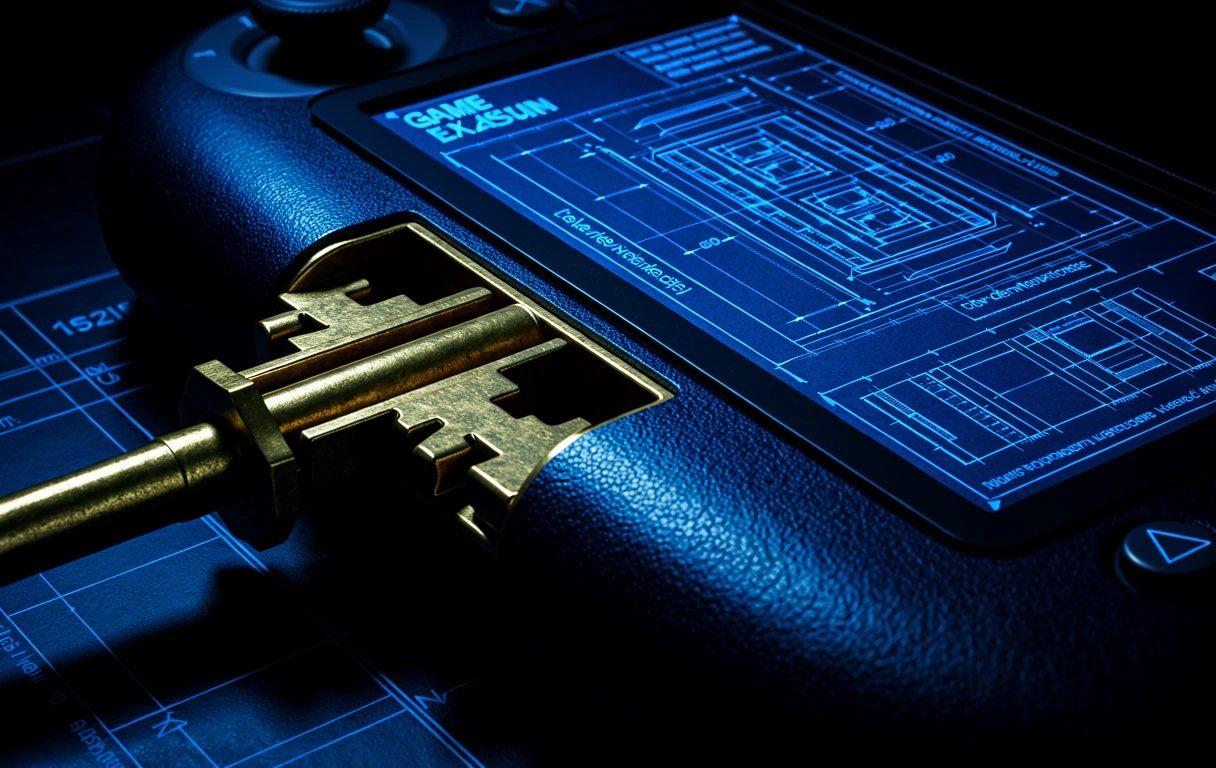
Case Study Ref: #42-ROMA
The Laser Maze Logic
Resulted in 40% reduction in downtime through automated calibration systems modeled on game-state engines.
Clarifying the Exchange.
We facilitate the bridge. While we offer deep technical advisory and "Translation" services, we are a networking and logic-design platform connecting creators. We ensure that the software built for a room actually talks to the hardware required by the owner.
Absolutely. In fact, our primary value to quest proprietors is taking your operational bottlenecks and translating them into developer-ready briefs. You provide the physical problem; we find the digital solution pathway.
It is our proprietary standard for ensuring physical feedback loops (haptics, sound, resistance) match player expectations. In digital games, this is called juice; in quest rooms, it's the difference between a puzzle feeling broken or feeling magical.
Integrity in Implementation.
NOTICE: All conceptual advice is reviewed for technical safety and buildability. While we facilitate innovation, we prioritize adherence to local Rome safety and electrical regulations before deployment. We do not provide General Contractor services but manage the technical logic flow.
Updated: May 2026
Standard Safety Protocol: Active ✅
Ready to bridge the gap?
Join the Wide Harbor Line network and start translating complex game design into profitable, high-immersion physical reality. Rome's premiere synergy platform.